MADRE MEDICINA
AYAHUASCA

What is Ayahuasca? A Comprehensive Guide to Sacred Plant Medicine
By Tina "Kat" Courtney, traditionally trained Ayahuasquera
Ayahuasca is a traditional Amazonian brew used for thousands of years as a sacred medicine for spiritual exploration, psychological healing, and expanded consciousness.
Made from two primary plants—the Banisteriopsis caapi vine and Psychotria viridis leaves—this powerful entheogen has supported indigenous healing practices across South America and now serves seekers worldwide who feel called to profound inner work and transformation.
In this guide, you'll discover what Ayahuasca truly is, how She works, what happens during ceremony, how to prepare yourself for this sacred journey, and what integration looks like after you return.
Whether you're completely new to plant medicine or deepening your relationship with Madre Medicina, this resource honors both the ancient wisdom She carries and the practical guidance you need to approach this work with reverence and safety.
THE ORIGINS AND CULTURAL ROOTS OF AYAHUASCA
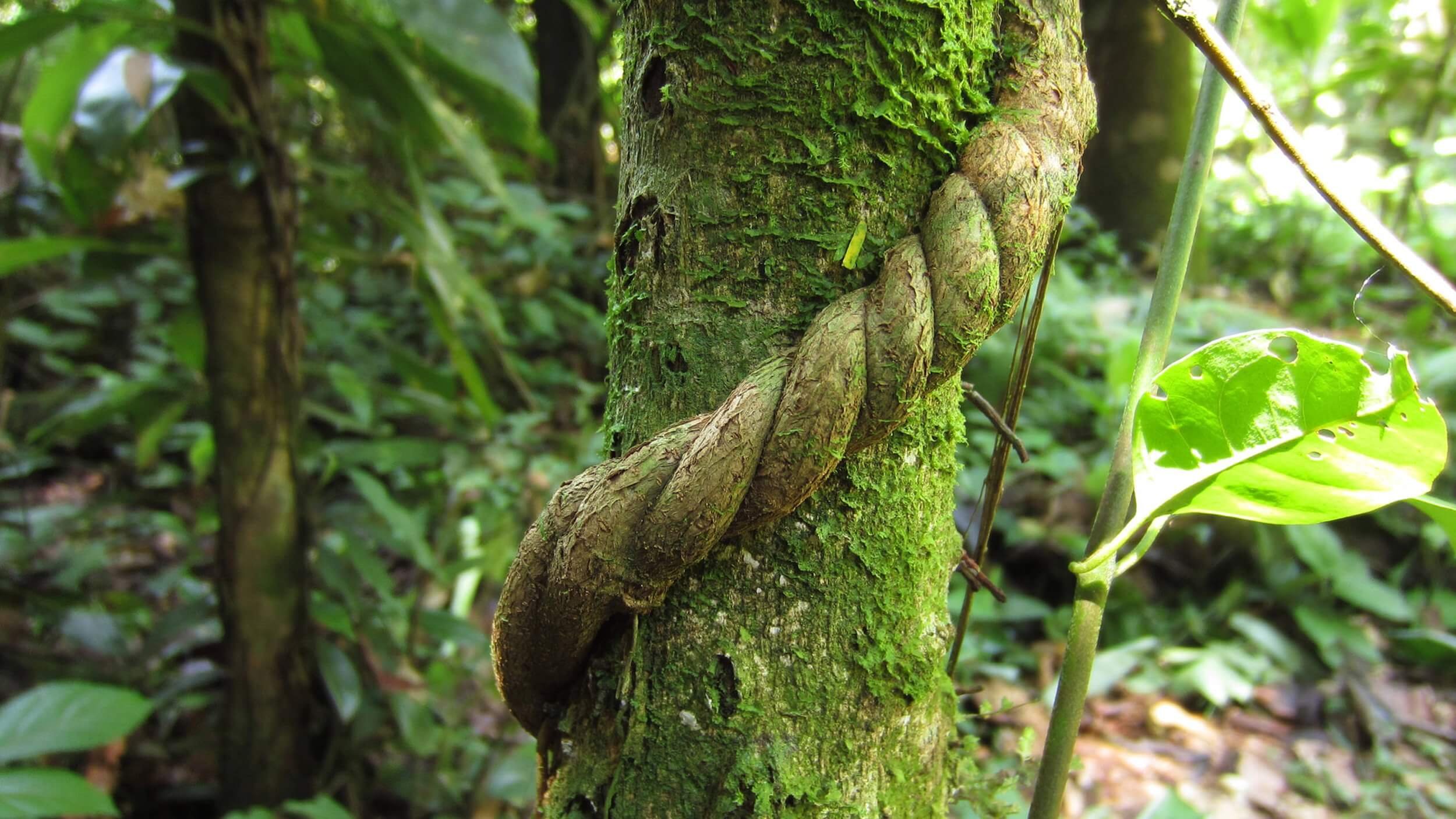
Ayahuasca—whose name derives from the Quechua words aya (spirit or soul) and waska (vine or rope), meaning "vine of the soul" or "rope of the dead"—has been used ceremonially by indigenous Amazonian tribes for at least several thousand years.
Archaeological evidence suggests plant medicine ceremonies in the Amazon basin may extend back 5,000 years or more, though oral traditions speak of relationships with these plants that reach far beyond recorded history.
The Shipibo-Conibo, Quechua-Lamista, Shuar, and countless other indigenous nations of the Amazon have served as guardians of this sacred knowledge, developing intricate systems of plant wisdom known as Vegetalismo.
These traditions understand Ayahuasca not as a substance to be consumed, but as a sentient teacher—a powerful plant spirit who guides, heals, and reveals truth to those who approach Her with respect and proper intention.
We are so very honored to walk in humble reverence to these indigenous tribes who protected and passed on these traditions through centuries of colonization, persecution, and cultural erasure.
Their commitment to the plants and to healing has made it possible for this medicine to reach beyond the Amazon, offering Her gifts to a world desperately in need of the consciousness expansion She provides.
Today, Ayahuasca remains central to indigenous spiritual practice while also being recognized as a sacrament by religious organizations like Santo Daime and União do Vegetal in Brazil.
In recent decades, She has extended Her reach globally, calling millions to ceremony as humanity faces ecological crisis, collective trauma, and widespread disconnection from nature and spirit.
What Is Ayahuasca Made From? Understanding the Brew
Ayahuasca is a psychotropic brew prepared from two essential plant components, each playing a distinct role in creating the profound experience She offers:

Banisteriopsis caapi (the Ayahuasca vine): This is the foundation and heart of the brew. The thick, woody vine contains beta-carboline alkaloids—primarily harmine, harmaline, and tetrahydroharmine—which act as monoamine oxidase inhibitors (MAOIs). These compounds temporarily inhibit the enzyme monoamine oxidase in your digestive system, allowing other compounds to reach your brain that would normally be broken down before absorption.

Psychotria viridis (Chacruna): These leaves contain N,N-Dimethyltryptamine (DMT), a naturally occurring tryptamine that produces the visionary, consciousness-expanding effects Ayahuasca is known for. DMT exists throughout nature—in plants, animals, and even within the human body—but is typically inactive when consumed orally because monoamine oxidase breaks it down in the gut. The genius of Ayahuasca is the marriage of these two plants: the vine creates the conditions for the DMT in Chacruna to become orally active and reach your consciousness.
In some traditions, other plants may be added to the brew for specific healing purposes, but these two—vine and leaf—form the sacred partnership that is Ayahuasca. The Banisteriopsis caapi vine is often considered the "mother" or primary teacher, while the DMT-containing plants provide visionary qualities and expanded perceptual capacity.
How Ayahuasca Is Prepared
The Banisteriopsis caapi vine is cleaned and pounded or shredded to break down the fibrous material. Fresh or dried Psychotria viridis leaves are gathered. Both plants are then boiled together in water for many hours—sometimes 12 hours or more—often in multiple rounds to concentrate the brew. The liquid is strained and reduced until it becomes a thick, dark, intensely bitter tea.
Throughout this process, the curandero or ayahuasquera preparing the medicine often sings icaros (sacred songs) and holds ceremonial space, inviting the spirits of the plants to infuse the brew with their healing intention and wisdom. This is not simply chemistry—it is relationship, devotion, and sacred partnership with plant consciousness.
Madre Ayahuasca: Understanding Her as Sentient Teacher
Here is where we must pause and make something absolutely clear: Ayahuasca is not a drug. She is not a tool. She is not a substance you "do" for recreation or escape.
Madre Ayahuasca is a sentient being—a powerful plant spirit with Her own consciousness, intention, and agency. She is a teacher, a healer, and a denizen of the multiverse who shows us both the depths of our own psyches and the infinite nature of reality itself. When you drink Ayahuasca, you are entering into sacred partnership with a conscious entity who has been guiding humans toward healing and awakening for thousands of years.
She is the medicine of duality. There is not a corner of human experience She cannot illuminate—from the darkest shadow work to the most transcendent cosmic revelation. She takes us to the depths and the heights with equal enthusiasm, showing us what we have been hiding from ourselves, what we carry in our bodies and souls, and what lies beyond the limitations of our everyday awareness.
Perhaps it's fair to think of Her as the queen of interdimensional frolicking—both external and internal. She stokes our awareness of our multidimensional selves, revealing layers of consciousness we didn't know existed.
She is playful and she is fierce. She is gentle and she is unrelenting. She will show you your deepest wounds and your greatest potential, often in the same ceremony, with undeniable bursts of enthusiastic joy that make the experience either utterly insulting or terrifically entertaining, depending on your mood and willingness to surrender.
The most powerful gift Madre Ayahuasca offers humankind is this: whatever we are hiding from hurts us; whatever we become conscious of can be healed. She expands consciousness with such precision and compassion that She is changing the collective consciousness of humanity ceremony by ceremony, heart by heart, revelation by revelation.
The plants are our bosses, our teachers, our healers, and our best friends. Ayahuasca is not here to fix you—She is here to show you the truth, expand your awareness, and invite you into right relationship with yourself, with others, with nature, and with the sacred.
What Happens During an Ayahuasca Ceremony?
Ayahuasca ceremonies are traditionally held at night in a carefully prepared space, often called a maloca in Amazonian contexts. These ceremonies are not casual gatherings—they are deeply intentional, structured experiences held within what we call a "profoundly safe and supportive container" created by trained facilitators, curanderos, or ayahuasqueras. Those called to sacred Ayahuasca ceremonies enter a space where ancient tradition meets modern trauma-informed care.
The Ceremonial Setting
A traditional ceremony typically includes:
A clean, comfortable ceremonial space with mattresses or cushions for participants to lie or sit on
Low or no lighting (ceremonies often unfold in darkness or candlelight)
A small group of participants (anywhere from intimate groups of 4-6 to larger circles of 20-30)
One or more facilitators trained in holding ceremonial space and managing the physical, emotional, and spiritual needs of participants
Sacred objects, altars, and ceremonial tools that honor the plant spirits and indigenous traditions
Buckets and towels for each participant (purging is a common and valued part of the experience)
The Flow of Ceremony
Ceremonies typically follow this general structure, though each facilitator and tradition brings their own approach:
Opening: The facilitator opens sacred space through prayer, song, or intention-setting. Participants may be invited to share their intentions for the ceremony or to sit in silent meditation.
Drinking the Medicine: Participants approach the facilitator one at a time to receive their cup of Ayahuasca. The brew is thick, dark, intensely bitter, and earthy-tasting. Most people find it challenging to drink, but you typically consume a small serving (30-100ml) and return to your space.
Waiting for Onset: Effects usually begin within 20-45 minutes, though this varies significantly. As the medicine begins to work, the facilitator may dim lights completely and begin singing icaros.
The Journey: For the next 4-6 hours (sometimes longer), you journey through the experience Ayahuasca offers. This may include intense physical sensations, emotional release, vivid visions, encounters with plant spirits or other entities, profound insights, memory processing, bodily purging, and states of expanded consciousness that defy ordinary description.
Icaros: Throughout the ceremony, the facilitator sings sacred songs called icaros. These are not entertainment—they are powerful tools that guide the medicine, offer protection, facilitate healing, and help participants navigate challenging moments. Different icaros call in different plant spirits, shift energy, or support specific healing processes.
Purging: Ayahuasca is known as "la purga" for good reason. Physical purging (vomiting) is extremely common and is considered a profound release of stuck energy, trauma, and toxicity held in the body. Some people also experience other forms of purging like crying, shaking, yawning, or sweating. This is not sickness—it is healing.
Integration and Closing: As the effects begin to soften (usually 4-6 hours after drinking), the facilitator may offer lighter songs, open the space gradually with candlelight, or provide simple foods like fruit. Participants often sit in contemplation or gentle conversation as they re-enter consensus reality. A closing prayer or song completes the ceremony.
After ceremony, you'll likely feel physically exhausted and emotionally tender. Many people sleep deeply afterward, while others prefer quiet reflection or gentle conversation with fellow participants.
Preparing Your Body, Mind, and Spirit for Ayahuasca
Preparation is not optional—it is essential to approaching Ayahuasca with the reverence She deserves and the safety your system requires. Proper preparation creates the foundation for deeper healing and reduces potential risks.
Physical Preparation: The Ayahuasca Diet
Most traditions recommend following a modified diet for at least one week before ceremony (ideally 2-4 weeks). This "dieta" serves multiple purposes: it cleanses your body of substances that could cause dangerous interactions with the MAOIs in Ayahuasca, it reduces the intensity of physical discomfort during ceremony, and it demonstrates commitment and respect to the plant spirits.
Foods to Avoid:
Aged, fermented, or cured foods (aged cheeses, sauerkraut, kimchi, miso, soy sauce)
Cured, smoked, or processed meats (salami, pepperoni, hot dogs, bacon)
Alcohol in any form
Excessive salt and sugar
Spicy foods
Fried foods
Red meat and pork (ideally 3-7 days before)
Caffeine (reduce or eliminate)
Chocolate (contains tyramine)
Overripe or bruised fruits (particularly bananas and avocados)
Foods to Emphasize:
Fresh vegetables and fruits
Plain grains (rice, quinoa, oats)
Legumes (beans, lentils)
Simple fish or chicken (if consuming animal products)
Herbal teas
Plenty of clean water
Strict Medications and Supplements to Avoid:
Certain substances create dangerous interactions with the MAOIs in Ayahuasca and must be completely avoided. These include:
SSRIs and SNRIs (antidepressants) — typically require 4-6 weeks clearance
MAOIs (other monoamine oxidase inhibitors)
Stimulants (including ADHD medications)
Weight loss medications
St. John's Wort
Many recreational drugs (MDMA, cocaine, amphetamines)
This is not a complete list. You must disclose all medications and supplements to your facilitator before ceremony. Some medications require weeks or months of clearance time.
Mental and Emotional Preparation
Ayahuasca works with your intention. The clearer and more authentic your intention, the more directly She can meet you. Preparing for your first ceremony involves both practical and spiritual readiness.
Spend time before ceremony reflecting on:
Why you feel called to this work
What you hope to heal, understand, or transform
What you're willing to release
What questions you're bringing to the medicine
Consider practices like journaling, meditation, time in nature, or working with a plant medicine integration coach to clarify your intentions and prepare your psyche for deep work.
It's also essential to be honest about your mental health history. If you have a history of psychosis, schizophrenia, bipolar disorder, or severe trauma, you need to work with experienced facilitators who understand these conditions and can properly assess whether Ayahuasca is appropriate for you at this time.
Spiritual Preparation
Ayahuasca is not therapy—though therapeutic healing often occurs. She is sacred plant spirit medicine, and approaching Her with reverence opens deeper doorways.
Consider these practices:
Spend time in prayer or meditation
Express gratitude to the plant spirits
Reflect on your relationship with nature and the sacred
Read about or listen to teachings from indigenous traditions
Honor the lineages and cultures that have protected this medicine
Approach ceremony with humility rather than expectation
Some facilitators also recommend periods of sexual abstinence before ceremony (typically 3-7 days) as a way of preserving and focusing your energy.
What Does Ayahuasca Feel Like? Understanding the Experience
There is no single Ayahuasca experience—every ceremony is unique, shaped by the participant's intention, the specific medicine prepared, the ceremonial container, and what the plant spirits choose to show you. That said, there are common elements many people encounter:
Physical Sensations
The Come-Up (20-45 minutes after drinking): You may experience:
Tingling, buzzing, or vibrating sensations in your body
Waves of nausea or stomach discomfort
Pressure in your head or behind your eyes
Temperature fluctuations (feeling hot or cold)
Auditory changes (sounds becoming heightened or distorted)
During the Peak (1-3 hours):
Intense physical purging (vomiting is extremely common)
Deep relaxation or physical heaviness
Sensation of energy moving through your body
Temporary loss of body boundaries or sense of self
Physical manifestations of emotional release (crying, shaking, laughing)
Emotional and Psychological Effects
Ayahuasca brings what is hidden into consciousness. You may experience:
Profound emotional release (tears, grief, rage, joy)
Confrontation with shadow aspects of yourself
Memories surfacing from childhood or past events
Insights about relationships, life patterns, or life purpose
Deep feelings of love, compassion, or interconnection
Encounters with fear, shame, or guilt held in your system
The medicine doesn't show you what you want to see—She shows you what you need to see. This requires surrender, trust, and willingness to feel difficult emotions without resistance.
Visionary and Mystical Experiences
With eyes closed (and sometimes open), many people experience:
Geometric patterns and mandalas (often in brilliant colors)
Visions of nature—jungles, rivers, animals, plants
Encounters with entities, plant spirits, or archetypal beings
Past life visions or ancestral connections
Cosmic or interdimensional journeys
Direct perception of energy, auras, or spiritual dimensions
Profound states of unity consciousness or ego dissolution
These visions are not hallucinations in the recreational sense—they are revelations, teachings, and direct experiences of non-ordinary states of consciousness.
Duration and Timeline
Onset: 20-45 minutes after drinking
Peak: 1-3 hours (most intense phase)
Plateau: 2-4 hours (effects continue but often soften)
Return: 4-6 hours after drinking (gradual return to baseline)
Afterglow: You may feel effects for 8-24 hours afterward—emotional tenderness, heightened sensitivity, or lingering insights
Some people receive a second serving during ceremony if the facilitator assesses it would serve their process. This extends and deepens the journey.
The Gifts Ayahuasca Offers: Benefits and Healing Potential
While we must be clear that Ayahuasca is not a cure and should never replace professional medical or psychological care, thousands of testimonials and emerging research point to profound benefits for those who approach Her with proper intention and support.
Psychological and Emotional Healing
Research and lived experience demonstrate Ayahuasca's powerful impact on:
Depression
Multiple studies show significant and sustained reduction in depressive symptoms, even in treatment-resistant cases. Ayahuasca appears to create new neural pathways and shift rigid thought patterns that perpetuate depression.
Addiction
Ayahuasca has shown remarkable promise in supporting recovery from substance addiction—including alcohol, cocaine, opioids, and other dependencies. She helps people understand the root causes of their addictive patterns while expanding their sense of possibility for different ways of being.
Anxiety and PTSD
By bringing suppressed trauma and fear to the surface in a supported context, Ayahuasca allows deep processing and release of traumatic material held in the body and psyche.
Grief and Loss
The medicine supports profound processing of grief, helping people move through stuck or complicated mourning while maintaining connection to loved ones who have passed.
Neurological Benefits
The primary compounds in Ayahuasca—DMT and beta-carbolines—have demonstrated neuroprotective and neurorestorative properties:
Promotion of neurogenesis (growth of new neurons)
Increased neuroplasticity (brain's ability to form new connections)
Anti-inflammatory effects in brain tissue
Potential protection against neurodegenerative conditions
Expanded Consciousness and Spiritual Development
Beyond symptom relief, Ayahuasca offers:
Direct experience of expanded states of consciousness
Dissolution of limiting beliefs and conditioned patterns
Reconnection with nature, spirit, and the sacred
Understanding of life purpose and meaning
Increased empathy and compassion
Deeper relationship with intuition and inner knowing
Experience of unity consciousness or non-dual awareness
Increased Mindfulness and Well-Being
Studies show that Ayahuasca increases mindfulness capacity—the ability to be present with experience without judgment—and contributes to sustained improvements in overall life satisfaction, emotional regulation, and sense of purpose.
Safety, Risks, and Contraindications: What You Must Know
Ayahuasca is physically safe for most healthy adults when properly prepared and supervised. However, this work is not appropriate for everyone, and certain conditions create serious risks.
Medical Contraindications
You should NOT drink Ayahuasca if you:
Are taking SSRIs, SNRIs, or other antidepressants (requires 4-6 week clearance)
Are taking MAOIs or other medications that interact with MAOIs
Have uncontrolled high blood pressure or serious cardiovascular conditions
Have a personal or family history of psychosis or schizophrenia
Are pregnant or breastfeeding
Have severe kidney or liver disease
Are taking certain medications (stimulants, weight loss drugs, many others)
This is not an exhaustive list. Full disclosure of medical history and medications to your facilitator is absolutely essential. Some medications require weeks or months of careful tapering under medical supervision before Ayahuasca work is safe.
Physical Risks During Ceremony
Common physical challenges that are normal and manageable:
Intense nausea and vomiting (this is purging, not illness)
Diarrhea
Dizziness or disorientation
Temporary increase in blood pressure and heart rate
Physical discomfort or restlessness
These are typically not dangerous but require monitoring by experienced facilitators who can distinguish between normal process and true medical emergency.
Psychological Considerations
Ayahuasca brings suppressed material to the surface. While this is often healing, it can be overwhelming or destabilizing if:
You have unprocessed severe trauma without adequate support
You have active psychosis or dissociative disorders
You are in acute crisis or suicidal
You have no integration support after ceremony
This does not mean you cannot do Ayahuasca work if you carry trauma—most of us do. It means you need trauma-informed facilitators, proper preparation, and solid integration support.
Choosing Safe, Ethical Facilitators
The safety of Ayahuasca work depends almost entirely on the skill, training, and integrity of your facilitators. When choosing where to do ceremony, ensure:
Facilitators have proper training in indigenous traditions (apprenticeship with lineage holders)
There is thorough medical screening before acceptance into ceremony
The container is trauma-informed and physically safe
Facilitators understand medication interactions and contraindications
There is adequate support (facilitators should not be managing more than 8-10 participants alone)
Indigenous rights and cultural protocols are honored
The space is legal and welcoming
Never drink Ayahuasca alone or in unvetted settings. This medicine requires proper holding.
Integration: The Essential Work After Ceremony
The ceremony is the beginning, not the end. Integration is where the real transformation happens—where insights become embodied, where healing is metabolized into your life, where the teachings from Ayahuasca take root and grow.
Without integration, the profound experiences you have in ceremony can fade, become confusing, or fail to translate into meaningful life change. Integration is essential.
What Is Integration?
Integration is the process of:
Making sense of your experiences
Bringing ceremony insights into your daily life
Processing challenging or confusing material that arose
Making practical changes aligned with what you learned
Allowing your nervous system to settle and reorganize
Deepening your relationship with the teachings over time
Integration Practices
Journaling: Write about your experiences, insights, and emotions. Let the medicine continue speaking through your pen.
Therapy or Coaching: Work with a plant medicine integration coach or trauma-informed therapist who understands this work. Comprehensive integration support provides essential guidance for making sense of complex experiences and embodying new ways of being.
Community: Connect with others who understand this path. Isolation after ceremony can lead to confusion or depression.
Nature: Spend time outdoors. The plants speak through nature, and time in the natural world supports integration.
Creativity: Express your experiences through art, music, movement, or other creative forms.
Meditation and Breathwork: Continue practices that support presence and body awareness.
Practical Changes: Actually make the changes the medicine showed you—in relationships, work, habits, or lifestyle.
Patience: Integration takes time. Some insights unfold over weeks, months, or years.
The Integration Timeline
Days 1-3: Rest, gentleness, journaling, very light activity
Week 1: Processing, making sense, tender emotions, continued rest
Weeks 2-4: Beginning to implement insights, energy returning
Months 1-3: Active integration, building new patterns
Months 3-6: Deepening, solidifying changes
6+ months: Continued unfolding, potential readiness for more ceremony
Many people find that one ceremony continues to teach and integrate for 3-6 months or longer before they feel ready for another journey.
Master Plant Dietas: Deepening Your Relationship with Plant Medicine
For those called to go deeper with plant medicine work, Master Plant Dietas offer a profound and transformative path. A Master Plant Dieta is an extended period (typically 7-14 days or longer) of isolation and plant medicine partnership where you drink a specific plant daily, follow strict dietary and behavioral protocols, and enter into deep communion with plant consciousness.
These dietas are not for beginners—they require significant commitment, surrender, and willingness to sit with discomfort. But for those ready for the deepest work available in the shamanic space, Master Plant Dietas offer unparalleled opportunities for healing, learning, and spiritual development.
During a dieta, you typically work with one Master Plant (such as Bobinsana, Tobacco, Ajo Sacha, or many others) in combination with Ayahuasca ceremonies. The plant you diet becomes your teacher, ally, and intimate companion.
The protocols—which include dietary restrictions, sexual abstinence, social isolation, and specific behavioral guidelines—create the conditions for profound energetic and spiritual transformation.
Frequently Asked Questions About Ayahuasca
Is Ayahuasca legal?
Ayahuasca's legal status varies significantly by country and context. In the United States, Ayahuasca itself is not scheduled, but DMT (one of its components) is a Schedule I controlled substance. However, certain religious organizations (like Santo Daime and União do Vegetal) have legal protections for ceremonial use based on religious freedom. Many people travel to countries like Peru, Costa Rica, or Ecuador where Ayahuasca is legal and part of protected indigenous practices. Always ensure you're participating in legal ceremonies.
Is Ayahuasca addictive?
No. Ayahuasca is not physically addictive, and the intensity of the experience actually creates a natural brake against casual use. Most people need months between ceremonies to properly integrate their experiences. Unlike addictive substances that create craving and dependence, Ayahuasca tends to reduce addictive patterns and compulsive behaviors.
How long does an Ayahuasca ceremony last?
A full ceremony typically lasts 5-7 hours from start to finish. The most intense effects occur 1-3 hours after drinking and generally last 4-6 hours total. However, you may feel lingering effects for 8-24 hours afterward, and the emotional and spiritual impact continues for weeks or months during integration.
Will I have visions?
Not everyone experiences the dramatic visionary states often depicted in media. Some people have intensely visual journeys full of colors, patterns, and imagery. Others have profound experiences that are primarily emotional, physical, or sensing-based without strong visuals. Both are valid and healing. Ayahuasca gives you what you need, not necessarily what you expect.
Can anyone do Ayahuasca?
Not everyone should drink Ayahuasca. As outlined in the Safety section, there are important medical contraindications (certain medications, cardiovascular conditions, psychosis history) and psychological considerations. Proper screening by experienced facilitators is essential. That said, people from all backgrounds, ages (typically 18+), and walks of life can be called to this medicine if they're physically and psychologically appropriate candidates.
What should I do if I have a difficult experience?
Challenging experiences are common and often the most healing. If you're struggling during ceremony: surrender rather than fight, focus on your breath, call on the facilitator for support, trust the process, and remember that you are safe and this will pass. Experienced facilitators are trained to support people through difficult moments. After ceremony, integration support is crucial for processing challenging material.
How should I choose an Ayahuasca retreat or facilitator?
Look for: indigenous training and lineage, thorough medical screening processes, trauma-informed facilitation, small group sizes (8-10 people per facilitator maximum), legal and safe settings, proper dietary preparation protocols, integration support, and transparent communication. Trust your intuition. If something feels off, honor that. Never drink Ayahuasca with facilitators who promise guaranteed outcomes, don't properly screen participants, or fail to honor indigenous roots and protocols.
How many ceremonies do I need?
There is no set number. Some people have profound healing from a single ceremony. Others work with Ayahuasca regularly for years as an ongoing spiritual practice. Listen to the medicine and your own inner knowing. Most people benefit from at least 2-3 ceremonies in a retreat setting to move beyond initial fear and settle into the work. But ultimately, the plants and your heart will tell you when it's time to return and when it's time to integrate.
Can I do Ayahuasca while taking antidepressants?
No—not safely. SSRIs, SNRIs, and other antidepressants create dangerous interactions with the MAOIs in Ayahuasca, potentially causing serotonin syndrome, which can be life-threatening. You must taper off these medications completely (typically 4-6 weeks for most SSRIs) under medical supervision before Ayahuasca work. Never discontinue psychiatric medications without proper medical guidance.
What's the difference between Ayahuasca and other psychedelics?
While Ayahuasca contains DMT (also found in other contexts), the combination of vine and leaf creates a unique synergy. The extended duration (4-6 hours vs. 15-30 minutes for pure DMT), the ceremonial container, the guiding presence of icaros, and the particular consciousness of the Ayahuasca vine create an experience quite different from other psychedelics. Ayahuasca is also specifically medicine—not recreational—and requires strict dietary and spiritual preparation.
What is purging and why does it happen?
Purging—most commonly vomiting—is a central and valued part of Ayahuasca work. Physically, it's your body's response to the brew and the release of toxins. Energetically and spiritually, it's understood as releasing stuck trauma, negative energy, and emotional baggage held in the body. Many people report feeling significantly lighter and clearer after purging. It's called "la purga" for this reason—it's cleansing on every level.
How do I prepare mentally and emotionally?
Clarify your intentions, reflect on what you're seeking to heal or understand, practice meditation or journaling in the weeks before ceremony, work with an integration coach if available, be honest about your fears and resistance, approach the medicine with humility and openness, and trust that Ayahuasca will show you exactly what you need to see.
Your Invitation to Sacred Plant Medicine Work
If you feel called to Ayahuasca, trust that calling. The plants call those who are ready, even when readiness feels like fear, uncertainty, or tender vulnerability.
This is not easy work. It is profound, challenging, transformative work that requires courage, commitment, and surrender. But for those willing to meet Madre Ayahuasca with respect and devotion, the gifts.
She offers are beyond measure: healing of wounds you've carried for lifetimes, expansion of consciousness into states you never imagined possible, reconnection with your deepest truth and purpose, and partnership with plant spirits who love humanity and are working tirelessly for our collective awakening.
We are so very honored to serve this medicine and to hold space for those called to these ancient healing traditions. Whether you're exploring Ayahuasca retreats, Master Plant Dietas, or integration support, we walk alongside you with reverence for the plants and deep care for your journey.
May the plants guide your path. May you find the healing and transformation your soul seeks. And may we all remember our sacred partnership with the natural world and the plant beings who have never stopped teaching, loving, and holding us.
Continue Your Journey with Plant Medicine
Ready to learn more? Explore our resources on preparing for Ayahuasca ceremony, understanding the sacred dieta, and integrating your experiences. Discover our courses on plant medicine wisdom and connect with our integration coaches who specialize in supporting this profound work.
Interested in retreat experiences? We offer Ayahuasca retreats held in profoundly safe containers with trauma-informed facilitators trained in indigenous traditions. Each retreat is designed to honor the plants, serve your healing, and support you in the deepest work available in the shamanic space.
Called to Master Plant Dietas? For those ready to deepen your relationship through a Master Plant Dieta, we offer individually guided experiences with Master Plants under the guidance of experienced practitioners.
The plants are waiting. Your healing is possible. The work is sacred, and you are so very welcome here.
Tina "Kat" Courtney is a traditionally trained Ayahuasquera and Huachumera who apprenticed for over a decade in the Shipibo-Conibo and Quechua-Lamista traditions. She is the founder of Plant Medicine People and author of The Plant Medicine Mystery School Volume 1: The Superhero Healing Powers of Psychotropic Plants. Kat practices the art of Vegetalismo and is wholly dedicated to partnership and service with sacred plant medicines. She walks in humble reverence to the indigenous tribes who protected and passed on these traditions.